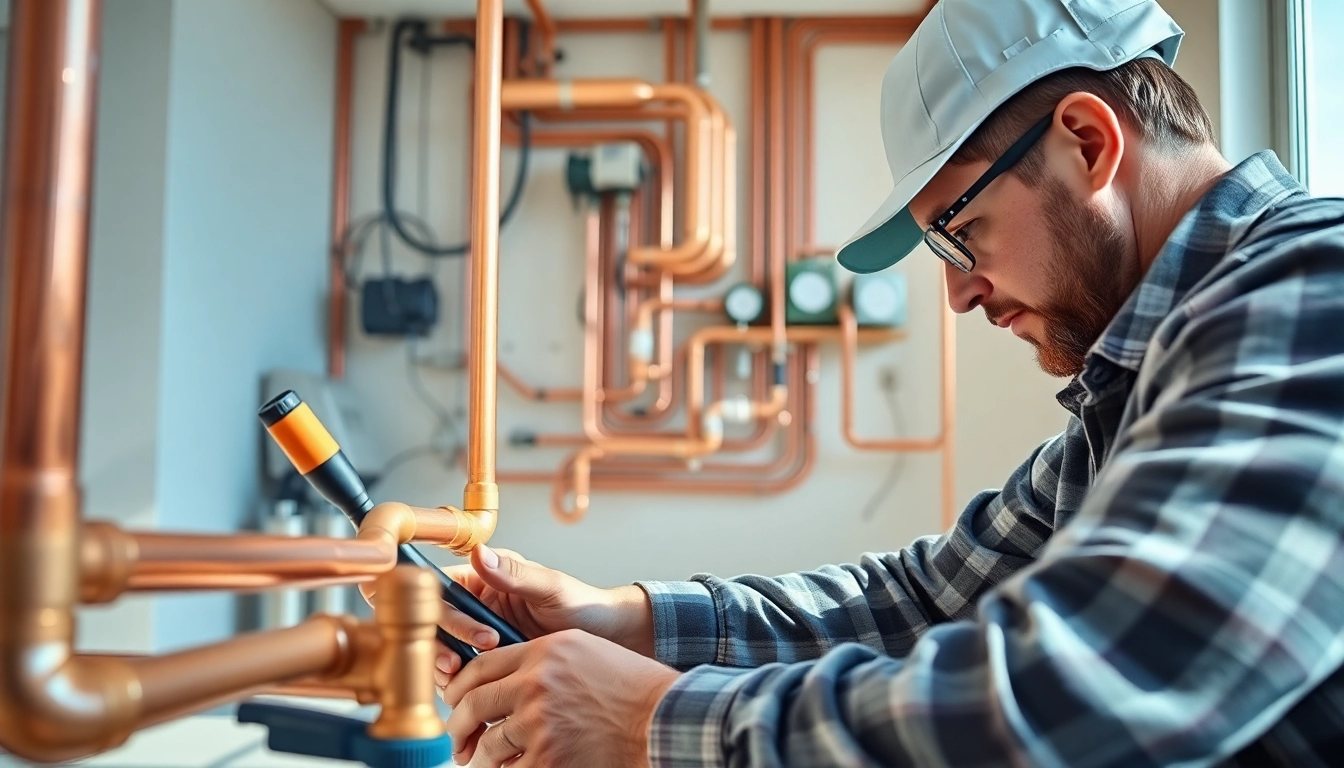
Understanding Whole House Repiping Services Tampa
Homeowners often overlook the plumbing system until it presents significant issues. One of the most vital services for maintaining a reliable and efficient plumbing network is whole house repiping services Tampa. This process involves replacing old pipes throughout the home, ensuring safe water delivery and improving overall plumbing health.
What is Whole House Repiping?
Whole house repiping refers to the complete replacement of the plumbing pipes in a residence. This process may seem daunting, but it plays a critical role in maintaining effective water flow, safeguarding against leaks, and preventing potential health hazards associated with outdated piping materials. Repiping is generally necessary when the existing pipes are aged, corroded, or damaged, leading to leaks or compromised water quality.
Signs You Need Repiping in Your Home
Identifying when your home requires repiping can save you significant time and money in the long run. Here are some critical signs to watch for:
- Frequent Leaks: If you notice repeated leaks or water stains on walls or ceilings, it may indicate failing pipes.
- Low Water Pressure: Sudden drops in water pressure could be a symptom of blocked pipes or leaks.
- Discolored Water: Rusty or brown water can indicate corrosion in your pipes, posing a health risk.
- Age of Plumbing: Homes with plumbing systems over 50 years old are prime candidates for repiping.
- Unusual Noises: Gurgling or banging sounds within the walls can signal problems with the plumbing system.
Benefits of Whole House Repiping Services Tampa
Choosing whole house repiping can yield numerous benefits:
- Improved Water Quality: New pipes eliminate contaminants and improve taste and safety.
- Increased Water Pressure: Replacing old, rusted pipes improves and enhances overall water pressure.
- Reduced Risk of Water Damage: New pipes minimize flood risks and potential damages from leaks.
- Enhanced Home Value: Up-to-date plumbing can significantly increase the value of your home.
- Peace of Mind: Knowing your plumbing is modern and secure allows for worry-free living.
Choosing the Right Materials for Repiping
Common Materials Used in Repiping
When repiping your home, selecting the appropriate materials is crucial. The three main types of piping materials used are copper, PEX, and CPVC. Each has its advantages, disadvantages, and suitable applications depending on the specific needs of your plumbing system.
Comparing Copper, PEX, and CPVC Pipes
Copper Pipes
Copper has been a traditional choice for plumbing due to its durability and resistance to corrosion. However, it can be more expensive than other options and may require soldering skills for installation.
PEX Pipes
Pex (cross-linked polyethylene) is a modern alternative that is flexible, easy to install, and resistant to scale and chlorine. It’s also less prone to freezing, making it ideal for colder climates, but it can be less durable under UV light.
CPVC Pipes
CPVC (chlorinated polyvinyl chloride) is another cost-effective option that is resistant to high temperatures and corrosion. It’s often used for both hot and cold water lines. However, it can be prone to breaking if subject to significant impact.
Understanding Local Regulations and Codes
Each state has specific plumbing codes and regulations that can dictate which materials should be used for repiping. Homeowners should always consult local building authorities or a qualified plumber to ensure compliance with these codes to avoid potential penalties and ensure safety.
The Repiping Process Explained
Initial Assessment and Consultation Steps
The first stage of the repiping process involves an in-depth assessment of your home’s current plumbing situation. A certified plumber will inspect the pipes, assess the water quality, and discuss any issues you’ve experienced. After the assessment, they can recommend whether full repiping or localized repairs may be necessary.
Detailed Overview of the Repiping Procedure
Once the assessment is complete, the actual repiping process begins. Typically, this involves:
- Turning off the water supply to the home.
- Removing old piping, which may require cutting into walls or flooring.
- Installing new pipes according to the chosen material, ensuring proper connections and support throughout.
- Restoring any walls or surfaces damaged during removal.
- Testing the system for leaks and ensuring everything operates smoothly before restoring water supply.
Post-Repiping Restoration and Cleanup
After new pipes are installed, thorough restoration and cleanup are important. This may include patching up walls, repainting, and ensuring that all debris is cleared from the property. A reputable plumbing contractor will ensure your home is left in a clean and habitable condition post-project.
Costs Associated with Whole House Repiping Services Tampa
Factors Influencing the Cost of Repiping
The total cost of repiping can vary based on several factors:
- Size of the Home: Larger homes will naturally incur higher costs due to more extensive plumbing needs.
- Material Choice: Copper tends to be more expensive than PEX and CPVC, impacting the overall budget.
- Accessibility: If pipes are hidden behind walls or in difficult-to-reach locations, labor costs may increase.
- Extent of Damage: If repairs or additional work is required beyond standard repiping, costs can escalate.
Average Cost Estimates for Tampa Area
In the Tampa area, whole house repiping costs typically range from $5,000 to $15,000. Homeowners should obtain several estimates from licensed professionals to understand the best option for their specific situation, including a breakdown of labor, materials, and any additional fees.
Financing Options for Repiping Projects
Depending on the scope of the work and the expenses involved, homeowners may explore different financing options such as home equity loans, personal loans, or payment plans through contractors. Make sure to discuss these options with your plumber to find a feasible solution that fits your budget.
FAQs about Whole House Repiping Services Tampa
How often should I consider repiping my home?
Repiping is often recommended every 50-70 years, depending on materials and water quality issues.
Will repiping affect my water pressure?
Proper repiping can actually improve water pressure by eliminating old, clogged pipes.
Can I stay in my home during repiping?
While some disruptions may occur, many homeowners can remain in their homes during the process.
How long does a repiping project generally take?
Most whole house repiping projects can take 1-3 days, depending on the home’s size and complexity.
What type of warranty is offered on repiping services?
Reputable services typically offer warranties covering both materials and workmanship for several years.