- Understanding the Pergola Configurator: A Game Changer for Your Backyard Design
- Benefits of Using a Pergola Configurator for Your Outdoor Spaces
- Advanced Features of Modern Pergola Configurators
- Common Challenges and Solutions When Using a Pergola Configurator
- The Future of Pergola Configurators: Trends to Watch in 2026
Understanding the Pergola Configurator: A Game Changer for Your Backyard Design
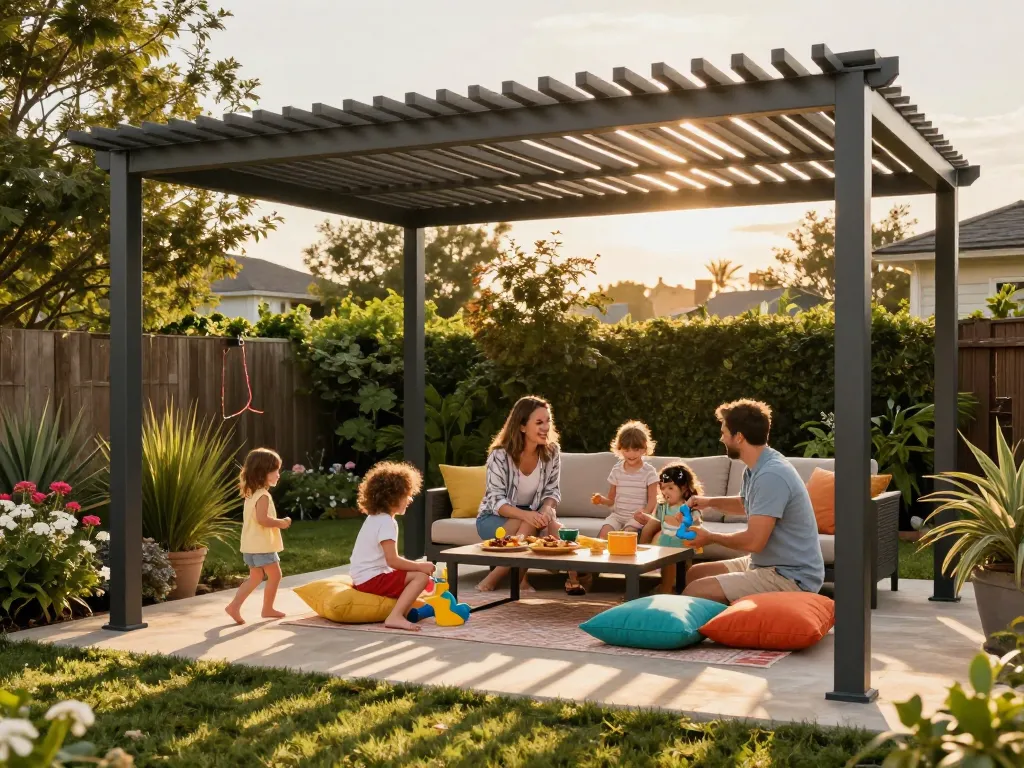
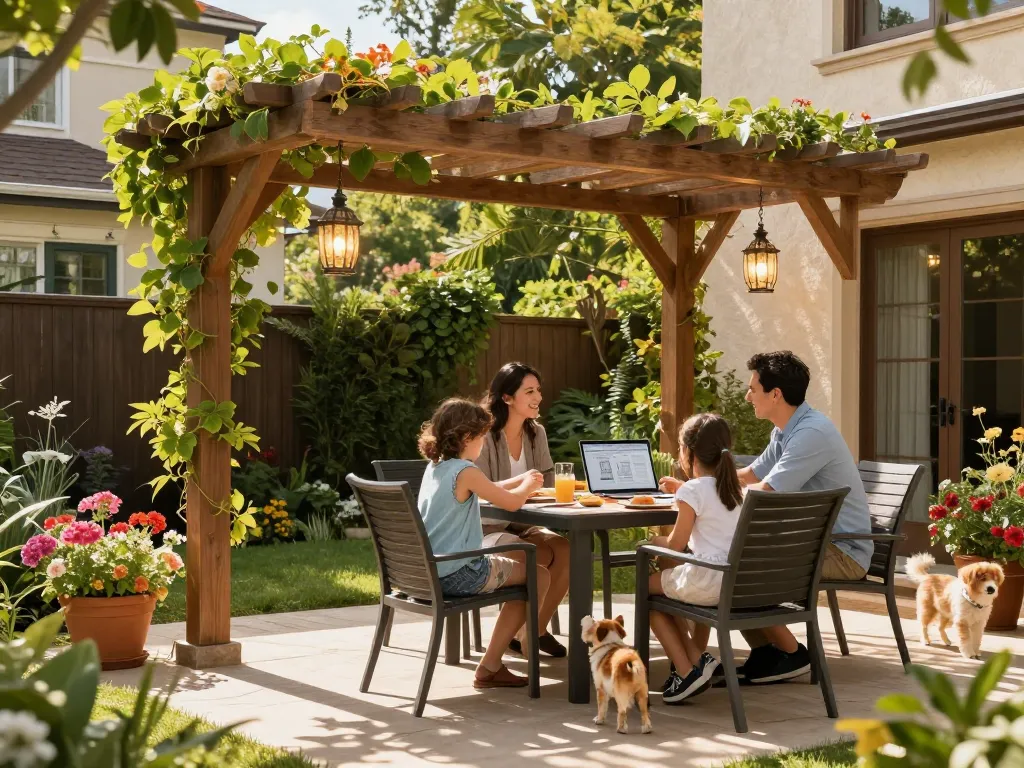
In today’s fast-paced world, the desire for a serene outdoor space has led homeowners to explore innovative solutions to enhance their backyards. One such solution is the pergola configurator, a digital tool that allows individuals to design customized pergolas tailored to their unique tastes and needs. By integrating cutting-edge technology, these configurators revolutionize how we visualize and create outdoor havens, making the design process more accessible and enjoyable. When exploring options, pergola configurator provides comprehensive insights into various styles and materials, paving the way for stunning outdoor transformations.
What is a Pergola Configurator?
A pergola configurator is an online application or software that enables users to design their pergolas digitally. This intuitive tool allows homeowners to customize various elements such as size, shape, color, and materials, resulting in personalized outdoor structures that enhance their property value and aesthetics. With advanced features like drag-and-drop functionality, users can see their designs come to life virtually, helping them make informed decisions before committing to a physical build.
Key Features of an Effective Pergola Configurator
To ensure a satisfying design experience, an effective pergola configurator should incorporate several core features:
- User-Friendly Interface: A seamless and intuitive design platform ensures that even those without technical skills can navigate the configurator effortlessly.
- Customization Options: The configurator should offer a wide variety of styles, materials, and finishes to cater to different tastes, allowing users to create a structure that truly reflects their personality.
- 3D Visualization: Advanced configurators provide 3D models, enabling users to visualize their design from different angles and better assess how it will blend into their outdoor spaces.
- Integration with Building Codes: Some configurators can provide guidance on local building regulations and permitting processes, ensuring that designs are compliant.
- Export Options: Users should be able to save and print their designs easily, allowing for smooth sharing with contractors or builders.
How a Pergola Configurator Enhances User Experience
The user experience with a pergola configurator can significantly impact the overall design journey. By offering easy navigation and a plethora of options, users feel empowered to explore their creativity and visualize their dream outdoor space. Additionally, instant feedback on design alterations enhances confidence, enabling users to make precise adjustments as they see fit. This interactive aspect not only makes the process enjoyable but also ensures that the final design resonates with the user’s vision.
Benefits of Using a Pergola Configurator for Your Outdoor Spaces
Customization Options That Fit Your Style
Every homeowner has a distinctive style and vision for their outdoor space. A pergola configurator allows for extensive customization, from selecting the type of roofing (louvered, solid, or fabric) to choosing colors and materials that match existing architecture. This level of personalization ensures that the final product is not just a structure but a beautiful extension of the home.
Cost-Effectiveness of DIY Design with Configurators
Opting for a pergola configurator can also be a budget-friendly choice. By enabling homeowners to design their structures, the configurator reduces the need for costly design services. Moreover, users can experiment with various materials and designs without incurring expenses until they finalize their choices. This DIY approach allows for more informed spending, helping homeowners allocate their budgets more efficiently.
How to Visualize Your Design Before Building
One of the most significant advantages of a pergola configurator is the ability to visualize designs in 3D before construction begins. Users can view their creations in a realistic format, allowing them to identify potential issues or adjustments that may be needed. This foresight can prevent costly mistakes during the actual building process and provide reassurance that the final structure will meet their expectations.
Advanced Features of Modern Pergola Configurators
3D Visualization and Augmented Reality
Today’s pergola configurators often incorporate advanced technologies such as 3D visualization and augmented reality (AR). With 3D capabilities, users can rotate and zoom into their designs, providing a comprehensive view of how the finished pergola will appear in the setting. AR features allow homeowners to project their pergola designs into real-world environments via mobile devices, enriching the visualization experience and aiding decision-making.
Integration with Other Outdoor Design Tools
Many pergola configurators are designed to integrate seamlessly with other outdoor design tools. This interconnectedness can enhance the overall design experience, allowing users to create comprehensive outdoor plans that incorporate patios, landscaping, and outdoor furniture. With this level of integration, the configurator serves as a central hub for various aspects of outdoor design, making it easier to visualize entire space transformations.
User Reviews and Feedback for Continuous Improvement
User feedback plays a crucial role in enhancing the functionality and user experience of pergola configurators. Manufacturers and developers often analyze reviews and suggestions to update features, fix bugs, and add new functionalities. This continuous improvement cycle ensures that configurators remain relevant and user-friendly, adapting to the evolving needs of homeowners.
Common Challenges and Solutions When Using a Pergola Configurator
Navigating Design Limitations
While pergola configurators offer incredible customization, users may encounter limitations based on design software capabilities. For instance, certain complex styles or materials may not be available. To navigate these challenges, it is essential to explore multiple configurators to find one that best aligns with your desired design features. Additionally, contacting customer support or consulting design professionals can provide insights into alternative solutions.
Understanding Material Choices and Durability
Choosing the right materials for a pergola is critical to its longevity and functionality. Many configurators provide detailed information about the durability, maintenance requirements, and aesthetic appeal of various materials. Homeowners should conduct thorough research and utilize the configurator’s resources to make informed choices that will withstand the elements and fit their lifestyle.
Time Management: From Design to Installation
Transitioning from design to installation can often lead to timeline challenges. To mitigate these, homeowners should establish a clear plan that includes design time, contractor selection, and installation timelines. Utilizing the configurator to finalize designs promptly and communicating effectively with builders can significantly streamline the process.
The Future of Pergola Configurators: Trends to Watch in 2026
Emerging Technologies in Outdoor Design
The future of pergola configurators is poised for exciting advancements. We can expect to see the integration of artificial intelligence (AI), allowing configurators to suggest design features based on user preferences and environmental factors. Additionally, machine learning may enable the software to provide predictive insights about how designs will age or perform over time, further aiding homeowners in their decision-making processes.
Eco-Friendly Options and Sustainability Features
As environmental consciousness grows, the demand for eco-friendly materials and sustainable practices in outdoor design continues to increase. Future pergola configurators will likely include features that allow users to select sustainable materials, energy-efficient designs, and options for integrating renewable energy sources, such as solar panels, into their pergola designs.
Predictions for User Engagement and Experience Enhancement
The trend toward high user engagement will likely shape the future design of pergola configurators. Features such as community forums, design challenges, and collaborative tools could facilitate sharing among users, enhancing creativity and inspiration. Additionally, improvements in user experience design will ensure that configurators are even more intuitive and enjoyable to use, attracting a broader audience to engage in backyard design.
What materials are best for building a pergola?
Common materials include wood, aluminum, and vinyl. Each material offers unique benefits in terms of durability, maintenance, and aesthetic appeal. Homeowners should consider their local climate and the desired look when selecting materials.
Can I modify the design after using the configurator?
Most configurators allow users to save multiple versions of their designs, making it easy to make modifications at any point in the process. This flexibility ensures that homeowners can adjust their plans as they refine their vision or as new ideas arise.
Are there any costs associated with using a pergola configurator?
Many online configurators are free to use; however, some may charge fees for premium features or detailed architectural plans. It’s essential to review the pricing structure before starting your design to understand any potential costs involved.
How does a 3D configurator work?
A 3D configurator typically uses computer graphics to create a virtual representation of the design. Users can adjust dimensions, materials, and styles, and the configurator updates the 3D model in real-time, allowing for immediate visualization of changes.
What are the best pergola styles for small yards?
For small yards, compact styles such as arched or flat pergolas can be ideal. These designs maximize vertical height without overwhelming the space, creating an inviting atmosphere without sacrificing functionality.