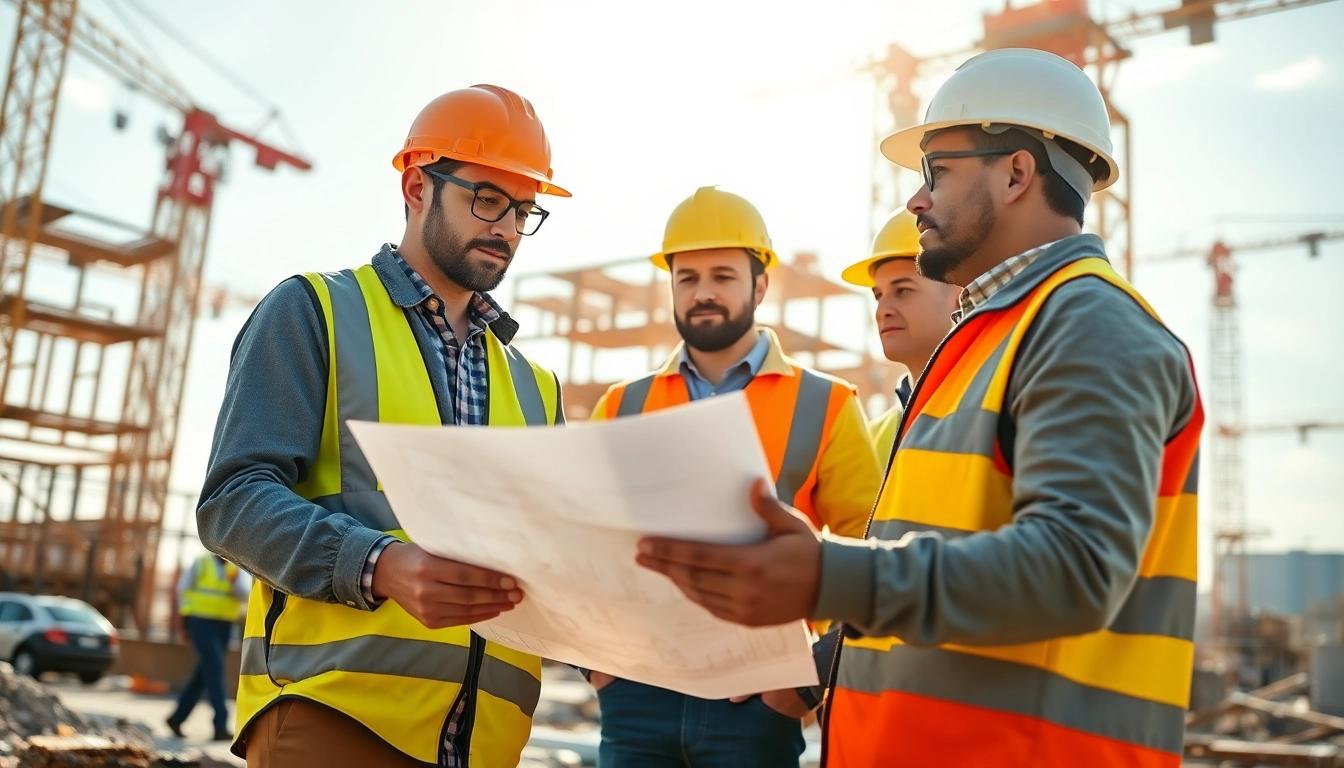
Understanding the Role of New Jersey Construction Manager
The role of a New Jersey Construction Manager is pivotal in steering construction projects towards success. Acting as the linchpin between clients, contractors, and various stakeholders, the construction manager ensures that all facets of a project align with its goals and regulations. This article delves into the wide-ranging responsibilities, critical skills, and significance of this position within the construction industry, particularly in New Jersey, where regulations and demands can vary significantly.
1. Overview of Responsibilities
At its core, the responsibilities of a New Jersey Construction Manager encompass planning, execution, and delivery of construction projects. These responsibilities include:
- Project Planning: Involves creating work schedules, budgeting, and resource allocation tailored to project specifications.
- Coordination: Ensures seamless communication and collaboration among architects, engineers, contractors, and subcontractors throughout the project lifecycle.
- Quality Control: Responsible for maintaining high standards of workmanship and ensuring compliance with building codes and safety regulations.
- Monitoring Progress: Tracks project development and makes adjustments to timelines and budgets as needed to address issues that arise.
- Client Liaison: Acts as a key point of contact for clients, providing updates and addressing concerns, ultimately fostering client relationships.
2. Key Skills Required
To effectively fulfill their duties, a New Jersey Construction Manager must possess a diverse skill set:
- Leadership: Must effectively lead teams, motivate workforce, and resolve conflicts to ensure a positive working environment.
- Communication: Clear and concise communication with all stakeholders is crucial for success.
- Project Management: Strong project management abilities help in coordinating tasks, setting deadlines, and achieving project goals efficiently.
- Problem-Solving: Effectively addressing unforeseen challenges and making decisions quickly to mitigate impact.
- Regulatory Knowledge: Understanding local building codes, safety regulations, and industry standards in New Jersey is essential.
3. Importance in Construction Projects
The construction manager plays an indispensable role in ensuring project success. Their strategic oversight helps mitigate risks, control costs, and ensure timelines are met while maintaining quality standards. In New Jersey, where the construction market can be competitive and regulations stringent, having a capable construction manager can significantly enhance a project’s chances of success, ensuring client satisfaction and maintaining a positive reputation within the industry.
Essential Certifications for New Jersey Construction Manager
Acquiring relevant certifications can bolster a construction manager’s credentials, credibly showcasing their expertise and commitment to the profession. Below are the essential qualifications:
1. Necessary Qualifications
Being a successful New Jersey Construction Manager often requires a bachelor’s degree in construction management, civil engineering, or a related field. However, work experience can also be a crucial factor in gaining employment.
2. Continuing Education and Training
Ongoing education is vital in this ever-evolving field. Many construction manager professionals pursue additional certifications such as:
- Project Management Professional (PMP): Recognized globally, this certification demonstrates a high level of project management skills.
- Construction Management Association of America (CMAA): This certification focuses on project delivery methods, risk management, and aligning with client expectations.
- OSHA Safety Training: A critical certification ensuring managers understand safety regulations and can navigate compliance effectively.
3. Industry Recognition
Recognition from professional bodies builds credibility and instills confidence among clients. Certifications from reputable organizations convey assurance of professionalism, knowledge, and adherence to best practices.
Best Practices for Effective Management
To be effective and maintain high standards in the oversight of construction projects, adhering to best practices is essential. Below are recommended strategies:
1. Communication with Teams
Effective communication is the backbone of any successful project. Utilizing regular meetings, collaborative tools, and transparent reporting helps ensure everyone is on the same page and fosters a culture of teamwork.
2. Time Management Techniques
Employing time management techniques such as the Eisenhower Matrix or Time Blocking can enhance productivity. Utilizing Gantt charts and software tools helps maintain a visual representation of project timelines, facilitating better scheduling and prioritization.
3. Use of Technology in Construction
The integration of technology in construction management enhances efficiency significantly. Tools such as Building Information Modeling (BIM), project management software, and mobile applications facilitate real-time updates, fostering collaboration and reducing the likelihood of errors.
Common Challenges Faced by New Jersey Construction Manager
While navigating the complexities of construction management, several challenges may arise:
1. Project Delays and Budget Constraints
Unforeseen delays can arise from weather conditions, supply chain issues, or permit delays. It’s vital for construction managers to proactively schedule buffer times and maintain flexibility in resources to mitigate budget impact.
2. Safety and Compliance Issues
Adhering to safety regulations and building codes is non-negotiable. Conducting regular safety audits and training sessions can help ensure compliance and reduce accidents on-site.
3. Conflict Resolution Strategies
Conflict can emerge from miscommunication or differing stakeholder interests. Implementing conflict resolution strategies such as active listening, negotiation processes, and mediation can help maintain a harmonious working environment.
Future Trends in Construction Management
As the construction industry continues to evolve, it’s imperative for New Jersey Construction Managers to stay ahead of emerging trends:
1. Sustainability Practices
With a growing emphasis on environmental responsibility, integrating sustainability into project planning, materials selection, and construction practices is becoming increasingly essential. Employing green building standards can enhance project appeal and compliance.
2. Advancements in Construction Technology
The adoption of advanced technology, including drones, virtual reality (VR), and augmented reality (AR), is enhancing site assessments, project visualization, and stakeholder engagement, transforming traditional practices into more efficient methodologies.
3. The Rise of Remote Management Tools
As remote work trends persist, construction managers are utilizing digital tools and platforms for remote supervision, ensuring continuous project monitoring and management even when off-site, facilitating enhanced flexibility and work-life balance.
Frequently Asked Questions
What does a New Jersey Construction Manager do?
A New Jersey Construction Manager oversees construction projects, ensuring they stay on schedule and within budget while maintaining quality and safety standards.
What are the key skills required for a New Jersey Construction Manager?
Essential skills include leadership, communication, project management, problem-solving, and a solid understanding of construction practices and regulations.
What certifications should a New Jersey Construction Manager have?
Certifications such as the Project Management Professional (PMP), Construction Management Association of America (CMAA), and OSHA safety training are highly beneficial.
What are common challenges for New Jersey Construction Managers?
Challenges may include managing project timelines, budget constraints, compliance with safety regulations, and resolving conflicts among team members.
How is technology impacting construction management?
Technology is streamlining processes with tools for project management, communication, and collaboration, enhancing efficiency and reducing errors on construction sites.