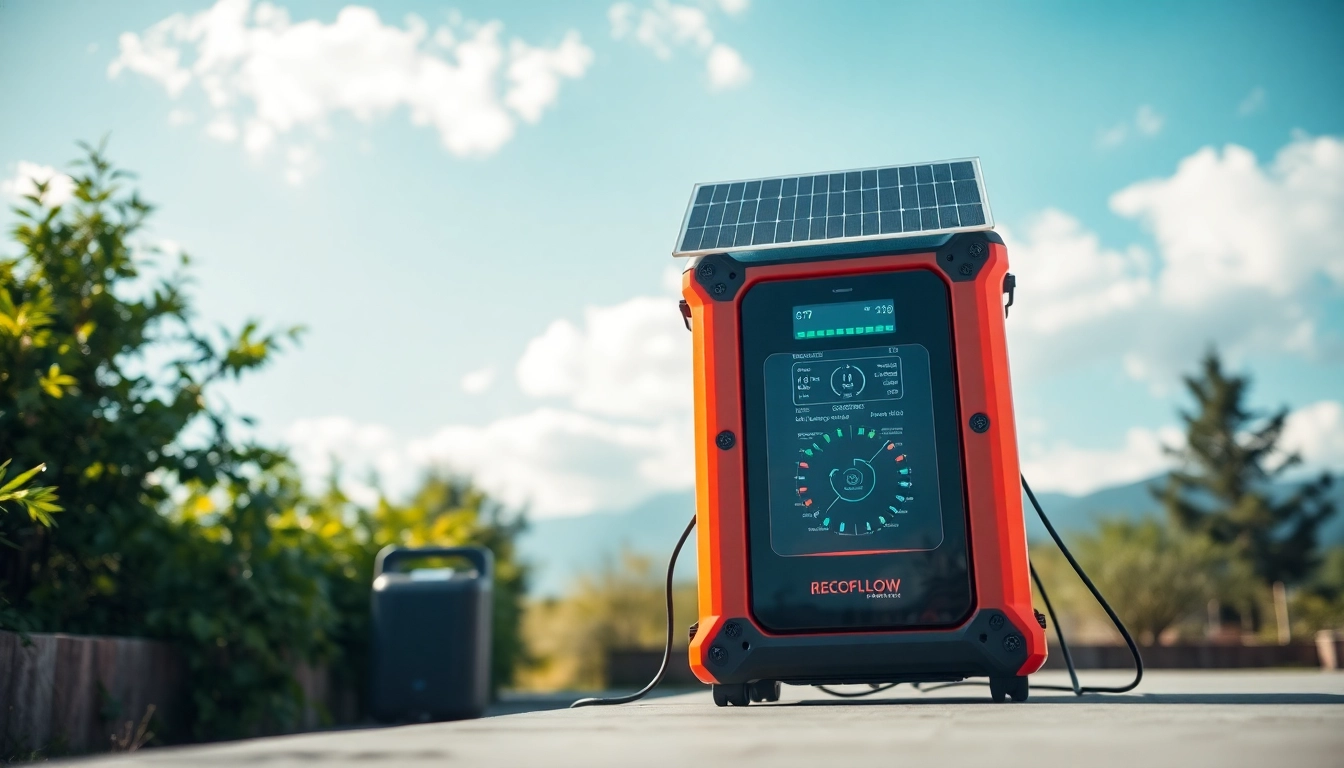
Understanding EcoFlow Technology
How EcoFlow Works: A Simple Breakdown
The EcoFlow range of products is designed to revolutionize the way we generate, store, and use electrical power. At its core, EcoFlow utilizes lithium battery technology combined with smart energy management systems. The devices convert sunlight into electrical energy through solar panels, storing it for later use in battery form. This capability allows users to harness renewable energy efficiently, reducing dependency on traditional fossil fuels and offering cleaner alternatives for various scenarios.
Through advanced proprietary algorithms, EcoFlow devices optimize energy conversion and storage, ensuring maximum efficiency. Each unit features multiple output ports—including AC, USB, and DC—to support a wide variety of devices, from small electronics to larger appliances, providing versatility for outdoor and emergency power needs.
Key Advantages of EcoFlow Systems
One of the standout advantages of EcoFlow systems is their portability. Designed for mobility, they can be easily transported to campsites, tailgate events, or used as backup power at home. Unlike traditional generators, EcoFlow units are lightweight and silent, making them an excellent choice for environmentally conscious consumers.
EcoFlow systems also incorporate fast charging capabilities. With state-of-the-art energy conversion, many EcoFlow models can fully charge from an AC outlet in under two hours. This feature is particularly beneficial for those needing quick power solutions in emergency situations.
Additionally, EcoFlow’s scalability is a significant benefit. Users can connect multiple units together for increased power output, tailored to meet specific energy needs, whether for recreational use or powering essential household appliances during outages.
EcoFlow vs. Traditional Power Sources
When comparing EcoFlow to traditional power sources, notably gas generators, the differences are profound. Traditional generators emit harmful fumes and require regular maintenance, such as oil changes and spark plug replacements. In contrast, EcoFlow systems are entirely electric, utilizing clean solar energy. This eco-friendly aspect not only minimizes environmental impact but also eliminates the ongoing costs associated with fuel purchases and maintenance for traditional generators.
Additionally, the noise level of EcoFlow systems is significantly lower than gas-powered units. Users can enjoy a more serene experience when camping or hosting outdoor events, free from the distracting hum of a generator. The reliability of electricity from batteries also tends to surpass that of fuel, especially in remote areas where fuel access may be restricted.
Choosing the Right EcoFlow Product
Top EcoFlow Models for Every Need
Choosing the right EcoFlow product depends largely on individual needs. For casual campers or weekend outdoors enthusiasts, the EcoFlow River series is highly recommended. Offering compact size without sacrificing power, it can charge small devices like phones and laptops with ease.
For larger power consumption needs, the EcoFlow Delta series is ideal. It provides a significant power output with the capacity to power larger appliances such as refrigerators and air conditioners during outages. Lastly, the EcoFlow Modular series allows for tailored configurations, enabling users to add additional capacity as their demands grow.
Factors to Consider When Buying EcoFlow
When purchasing an EcoFlow unit, it’s essential to consider the power needs of your devices. Calculate the total wattage of the devices you plan to connect, ensuring that the EcoFlow model selected can handle this load. Additionally, consider the longevity of use; larger batteries provide longer use times, but they also come at a higher cost.
Another factor is the charging method. Some models offer solar panel compatibility, which is essential for off-grid usage, while others may serve primarily as backup systems for home use. Understanding the primary purpose of the purchase will guide you to the right model.
Understanding EcoFlow Battery Capacity
EcoFlow battery capacity is a crucial concept, expressed in watt-hours (Wh). This value indicates how much energy the battery can store. A higher capacity allows for a longer power supply; for instance, a 600Wh battery could theoretically power a 100W light for 6 hours.
Moreover, EcoFlow units often feature dual-battery setups that improve performance longevity. Buyers should consider matching their power requirements with the available capacity while accounting for various usage scenarios such as peak periods of power draw.
Setting Up Your EcoFlow System
Step-by-Step Installation Guide
Setting up your EcoFlow system requires minimal technical knowledge. Begin by unpacking your unit and ensuring all components are included, such as cables and adapter ports. Position your EcoFlow device in a well-ventilated area, away from any obstructions. Connect the required solar panels, if applicable, and plug any desired devices into the output ports.
The user interface on EcoFlow units typically features clear instructions for configuration. Follow the on-screen prompts, and don’t forget to monitor battery levels for optimal performance. Once your setup is complete, you are ready to enjoy a sustainable and reliable power source.
Optimal Placement for Maximum Efficiency
Placement of your EcoFlow unit can significantly affect its efficiency. Ensure that solar panels are positioned to receive direct sunlight, avoiding shaded areas. If placed indoors for home use as a backup, position it in an area where airflow is not obstructed to prevent overheating.
For outdoor activities, consider securing your EcoFlow device to avoid damage from wind or moving water, especially if you’re camping near water bodies. Carry cases or pads can provide added protection while also aiding in stability during its use.
Using EcoFlow with Other Devices
EcoFlow’s versatility allows users to connect various devices, from smartphones to larger equipment. Each model features multiple powered ports, including AC outlets, USB ports, and even DC car outputs. To safely connect devices, always check the wattage ratings and ensure that your connected devices do not exceed the total output of the EcoFlow system.
Many users have found it beneficial to create a list of devices they intend to power, which helps to prioritize and manage energy use effectively. Consider running high-wattage appliances during lower demand times to elongate battery life.
Real-World Applications of EcoFlow
How EcoFlow Enhances Outdoor Activities
Outdoor activities like camping, hiking, or tailgating are significantly enhanced with EcoFlow units. Imagine powering a portable fridge during a camping trip or charging cameras and drones for capturing memories in the wild. The convenient design and lightweight nature of EcoFlow units allow users to bring power to places where it was previously unavailable.
Additionally, for outdoor enthusiasts, EcoFlow products can even support solar-powered cooking setups, enabling a fully sustainable outdoor experience. The ability to harness the power of the sun makes outdoor adventuring not just enjoyable but also eco-friendly, reducing carbon footprints.
EcoFlow for Home Backup Solutions
As more homeowners seek alternative energy solutions, EcoFlow units offer a reliable backup power source. In the event of power outages, users can seamlessly transition to battery power without significant disruptions. Many have found peace of mind knowing that critical home devices, such as medical equipment or refrigeration, can remain functional through short or extended outages.
Moreover, the integration of EcoFlow with home solar systems is gaining popularity. Users can store solar energy generated during the day for use at night, optimizing existing energy resources without additional costs related to power consumption.
Case Studies: Successful EcoFlow Implementations
Numerous case studies highlight the effectiveness of EcoFlow in various settings. For example, a family in a storm-prone area reported significant peace of mind after integrating an EcoFlow device into their emergency preparedness plan. During regional power loss events, their EcoFlow unit enabled continued heating and power for vital devices.
In another case, an outdoor education center transitioned fully to EcoFlow products for their retreats. They reported enhanced satisfaction from participants, who enjoyed having guaranteed power for devices and learning about renewable energy solutions in practice, further encouraging their commitment to sustainability.
Maintaining Your EcoFlow System
Regular Maintenance Tips for Longevity
To ensure the longevity of your EcoFlow system, regular maintenance is crucial. Avoid exposing the battery to extreme temperatures; store it in a climate-controlled area when not in use. Clean the ports and connections to keep them free from dust and debris, which might impede connectivity.
Additionally, it’s advisable to perform periodic checks on battery levels and charge the unit regularly to maintain optimal health, especially if the device is not used frequently.
Understanding EcoFlow Warranty and Support
EcoFlow products come with a warranty that typically spans several years, which reflects the company’s confidence in its technology and build quality. Customers should register their products online to take advantage of warranty services. It’s also advisable to keep all purchase documentation and receipts for any warranty claims or support inquiries.
In cases of need for assistance, EcoFlow boasts responsive customer support that can assist with troubleshooting, warranty claims, and general queries, providing peace of mind to users knowing help is just a call or click away.
Upgrading Your EcoFlow Features
As technology advances, EcoFlow frequently updates its product features through software upgrades. Users are encouraged to stay informed about the latest features and enhancements through the official EcoFlow app or product website. Upgrading firmware can improve functionality, resolve bugs, and enhance safety settings, keeping units running at their best.
Furthermore, some models allow for physical expansion, with the option of adding extra battery units or solar panels to create a more capable energy solution tailored to your evolving needs.
FAQs about EcoFlow Systems
1. What devices can I power with EcoFlow?
EcoFlow units can power a wide range of devices including smartphones, laptops, refrigerators, and even power tools, depending on the model’s capacity and wattage output.
2. How long does EcoFlow take to charge?
Depending on the model, EcoFlow devices generally take 1-2 hours to charge using an AC outlet and longer if charging from solar panels, based on sunlight conditions.
3. Is EcoFlow safe to use indoors?
Yes, EcoFlow systems are safe to use indoors, as they do not emit harmful fumes or require ventilation, making them ideal for backup home power solutions.
4. Can I use EcoFlow while it’s charging?
Yes, most EcoFlow models allow you to use them while they’re charging, providing continuous power supply to connected devices.
5. What is the lifespan of EcoFlow batteries?
EcoFlow batteries are designed for longevity, with effective lifespans typically over 800 cycles, retaining around 80% of their capacity after extensive use.