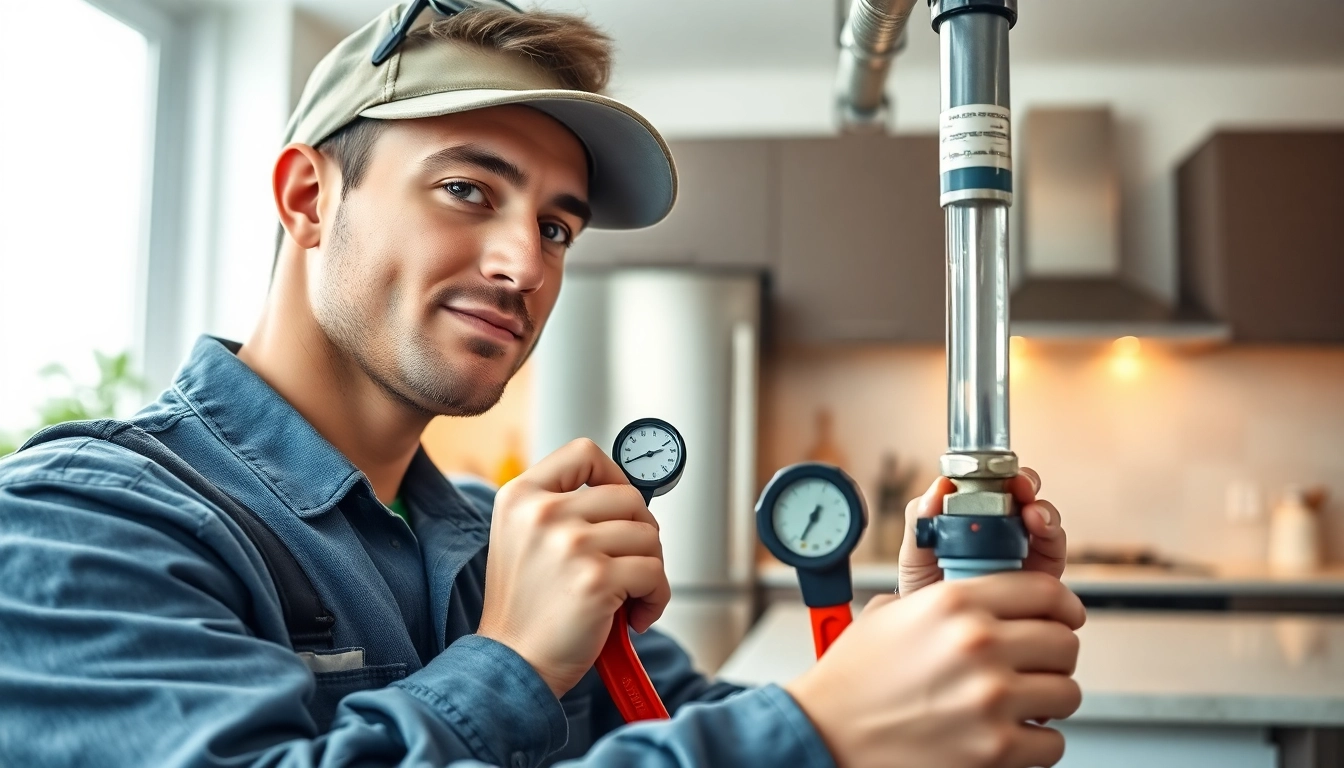
1. Understanding Plumbing Services
A. What Does a Plumber Near Me Do?
When you search for a Plumber near me, you are looking for a professional equipped to handle various plumbing tasks. A plumber’s primary role involves the installation, repair, and maintenance of systems related to water, sewage, and drainage. This includes working with pipes, fittings, valves, and fixtures. Plumbers also ensure that systems comply with local building codes and regulations, providing safe and efficient service to homeowners and businesses.
B. Common Plumbing Issues
Many homeowners face plumbing issues at some point. Common problems include:
- Leaky Faucets: Dripping faucets can waste significant water.
- Clogged Drains: Clogs can occur due to hair, soap buildup, or foreign objects.
- Running Toilets: A running toilet can waste a lot of water and result in higher bills.
- Low Water Pressure: This can be due to pipe corrosion or mineral buildup.
- Water Heater Issues: Problems can arise from sediment buildup or faulty thermostats.
C. Importance of Professional Plumbing Services
Engaging a professional plumber near you offers numerous benefits. Firstly, trained plumbers possess the knowledge and experience to diagnose issues accurately and implement effective solutions. Secondly, they ensure that repairs meet safety regulations, minimizing the risk of damage or health hazards. Finally, hiring a licensed plumber can save time and money in the long run by preventing issues from reoccurring.
2. How to Search for a Plumber Near Me
A. Utilizing Online Resources
One of the most effective ways to find a plumber is through online searches. Websites and platforms such as Google, Yelp, or specialized plumbing service directories can provide comprehensive listings. By entering “plumber near me,” users can access local service providers, view contact details, and gather information about their services. Look for those with high ratings and positive reviews.
B. Asking for Recommendations
Word of mouth can be an invaluable resource. Ask friends, family, or neighbors for their recommendations, especially if they have recently had work done. Personal experiences can guide you towards trustworthy professionals who have provided excellent service.
C. Evaluating Local Listings and Reviews
Once you have a list of potential plumbers, delve into their online reviews. Websites like Yelp and Google My Business can provide insights into customer experiences. Pay attention to both positive and negative feedback and note aspects such as customer service, timely arrivals, and overall effectiveness. This evaluation can help narrow down your choices.
3. Questions to Ask Potential Plumbers
A. Experience and Qualifications
Before hiring a plumber, inquire about their experience and certifications. Ask how long they have been in business and whether they hold relevant licenses. A qualified plumber should also be insured, protecting you from liability in case of accidents during the job.
B. Service Guarantee and Warranties
Understand what guarantees the plumber offers regarding their work. A reputable plumber typically provides a warranty for parts and labor to instill confidence in the quality of their services. Inquire about the specifics of their guarantees.
C. Pricing and Estimates
Cost should always be discussed before any work begins. Ask for a detailed estimate that outlines labor costs and material expenses. Avoid plumbers who provide vague estimates, as they can lead to unexpected fees. Transparency about pricing can prevent surprises later.
4. Evaluating Plumbing Services
A. Comparing Multiple Quotes
Obtaining quotes from several plumbers allows you to compare their services, experience, and pricing comprehensively. However, don’t solely focus on the lowest price. Instead, assess the overall value that each plumber offers, including their reputation, qualifications, and warranty provisions.
B. Assessing Work Quality
Assessing the quality of work is crucial. After completing a job, consider whether the area was left clean and if the work met your expectations. Don’t hesitate to reach out for follow-up questions and observe how the plumber handles post-service queries.
C. Reading Customer Feedback
Customer feedback is one of the best gauges for evaluating a plumber’s services. Go beyond the number of stars; read detailed reviews to get a sense of their work ethic, customer service skills, and overall satisfaction levels. This information gives insight into how the plumber operates in real job scenarios.
5. Tips for a Successful Plumbing Experience
A. Preparing for Your Plumber’s Visit
Preparation can significantly enhance your experience. Before the plumber arrives, clear the area around the problem site. Ensure access to sinks, showers, or areas requiring attention. Having this space ready shows respect for the plumber’s time and helps them work efficiently.
B. Communicating Your Needs
Clear communication is essential. When the plumber arrives, explain your plumbing issues thoroughly. Share any prior attempts at repair and specify any unusual sounds or odors you have noticed. Providing detailed information helps the plumber diagnose the issue accurately.
C. Following Up After Service
After the plumbing service is completed, follow up on the work. Test the repaired areas to ensure everything is functioning correctly. If any new issues arise or if you have concerns, don’t hesitate to contact the plumber. A good professional will welcome your feedback and be willing to address ongoing concerns.
FAQs
1. How much do plumbers typically charge?
Plumbing costs vary widely depending on the service, location, and the plumber’s experience. On average, expect to pay between $50 to $150 per hour for labor, plus materials.
2. What should I do in a plumbing emergency?
In emergencies, turn off your main water supply and call a licensed plumber immediately. Provide as much detail as possible regarding the issue to expedite help.
3. How can I prevent plumbing issues?
Regular maintenance, such as inspections, cleaning drains, and monitoring water pressure, can help prevent plumbing issues. Fix leaks promptly to avoid larger problems later.
4. Are all plumbers licensed?
Not all plumbers are licensed. Always verify that your plumber holds the necessary licenses and insurance to protect yourself and ensure quality service.
5. What are the signs that I need a plumber?
Signs include persistent leaks, slow drains, water discoloration, strange noises from pipes, and frequent clogs. If you notice these issues, it’s time to call a professional.