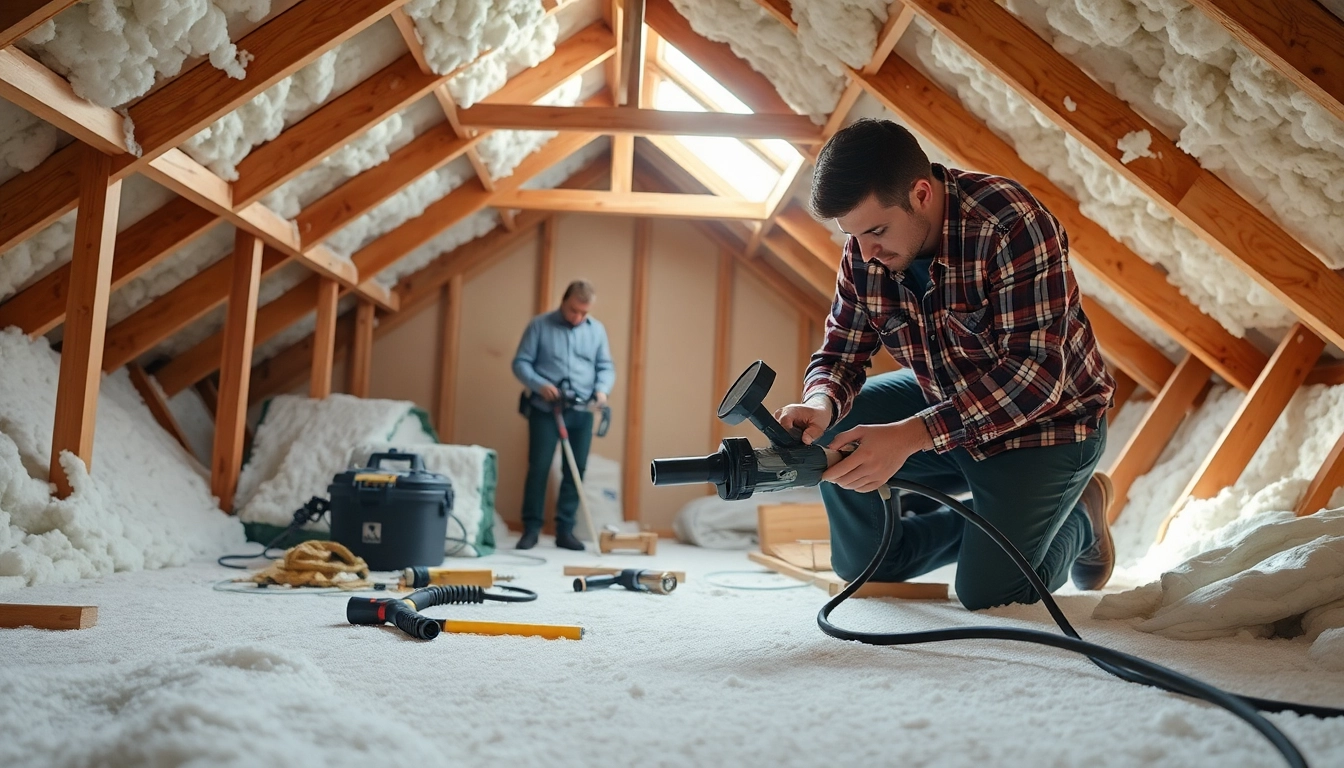
Understanding Spray Foam Insulation
What is Spray Foam Insulation?
Spray foam insulation is a type of insulation that expands when applied, filling gaps and creating a tight seal around walls, ceilings, and floors. Made from a mixture of isocyanates and polyols, it transforms from a liquid to a solid foam in a matter of seconds. Known for its superior insulating properties, spray foam insulation not only helps to regulate indoor temperatures but also serves as an air barrier, preventing drafts and moisture penetration. This technology is commonly used in residential and commercial buildings due to its effectiveness in reducing energy costs.
Benefits and Drawbacks of Spray Foam
Spray foam insulation comes with a range of benefits. Firstly, it provides excellent R-value per inch, which is crucial for energy efficiency. Additionally, it acts as both insulation and an air barrier, reducing the risk of mold by preventing moisture from entering cavities. The installation process is quick, typically requiring less time than traditional insulation methods.
However, there are drawbacks to consider. Spray foam can be more expensive than conventional insulation types such as fiberglass or cellulose, which can deter some homeowners. Furthermore, if not applied correctly, it can lead to issues such as off-gassing, which may affect indoor air quality. Another concern is the potential for structural damage during removal, making the expertise of spray foam removal specialists essential when removal is necessary.
Recognizing Signs of Spray Foam Issues
Awareness of potential spray foam insulation problems is essential for homeowners. Common signs include visible signs of wear, such as cracking or crumbling foam, which may indicate that the material is breaking down. Odors or changes in indoor air quality can also be a red flag, as they may indicate chemical off-gassing or mold growth. If you notice an increase in energy bills without an obvious reason, this could suggest that the insulation is no longer effective, necessitating a professional evaluation and potentially the intervention of spray foam removal specialists.
Importance of Professional Removal
Why Choose Spray Foam Removal Specialists?
When it comes to the removal of spray foam insulation, hiring specialists is essential for a variety of reasons. These professionals possess the experience and equipment necessary to safely remove foam without causing damage to the underlying structure. Incorrect removal can result in serious issues, including the risk of exposure to harmful chemicals and structural integrity concerns. Engaging spray foam removal specialists ensures a thorough job, adhering to safety standards while minimizing disruption.
Risks of DIY Removal
Many homeowners may consider tackling the removal of spray foam insulation themselves, yet there are significant risks associated with DIY removal. Without the proper training and tools, individuals can easily injure themselves or create hazardous conditions. The removal process often involves handling chemicals that can release harmful fumes. Moreover, improper techniques can lead to costly damages that far exceed the initial savings of not hiring a professional.
Cost Considerations for Hiring Experts
The cost of employing spray foam removal specialists can vary based on several factors, including the size of the area and the complexity of the job. While hiring professionals may seem more expensive upfront, the long-term savings from preventing potential accidents and structural damage can be substantial. Often, investing in expert removal can lead to better home insulation solutions down the line and improve your home’s overall energy efficiency.
The Removal Process Explained
Step-by-Step Guide to Safe Removal
The removal process for spray foam insulation is intricate and must be conducted systematically to ensure safety and effectiveness. Here’s a breakdown of the process:
- Assessment: Before removal, specialists conduct a thorough assessment of the insulation type and condition.
- Preparation: The work area is set up to contain the removal process, protecting the surrounding environment.
- Application of removal agent: Depending on the type of spray foam, specialized chemicals may be used to soften the material for easier extraction.
- Physical removal: Experts use appropriate tools, such as scrapers and vacuums, to carefully remove the foam.
- Cleaning: Once the foam is removed, the area is cleaned to prepare for new insulation.
- Final inspection: A comprehensive inspection is conducted to ensure the structural integrity of the building has been maintained and to identify any necessary repairs.
Tools and Equipment Used by Specialists
Professional removal requires specialized tools and equipment to facilitate a safe and effective process. Commonly used items include:
- Protective Gear: Specialists wear protective clothing, gloves, goggles, and masks to safeguard against exposure to harmful chemicals.
- Removal Tools: Tools such as pneumatic scrapers, saws, and knives are employed to extract foam carefully.
- Vacuum Systems: High-powered vacuums are utilized to eliminate debris and ensure the workspace remains clean.
- Chemical Softening Agents: In some cases, chemical agents may be applied to reduce the toughness of the foam, aiding in easier extraction.
Safety Measures During Removal
Safety is paramount during the spray foam removal process. Specialists adhere to strict safety protocols to protect themselves and the occupants of the home. Key safety measures include:
- Ensuring proper ventilation in the workspace to reduce chemical exposure.
- Using appropriate protective equipment to mitigate risks from airborne particles and chemicals.
- Having first aid kits readily available in case of allergic reactions or accidents.
- Constantly monitoring for signs of structural damage during the removal process to address issues as they arise.
Post-Removal Considerations
Inspecting for Damage After Removal
Once the spray foam insulation has been removed, it is critical to conduct a thorough inspection of the affected area. Specialists look for potential damage to walls, roofs, and foundational structures, assessing whether moisture has breached areas that were once sealed. This stage is vital in determining what repairs or additional work may be required before new insulation can be safely installed.
Choosing Your Next Insulation Type
After the removal of spray foam, homeowners must decide on the next insulation option. Various materials are available, including fiberglass, cellulose, and mineral wool, each having unique advantages and disadvantages. Consulting with a specialist can help determine the best choice based on energy efficiency, cost, and the specific needs of the property.
Maintenance Tips for Your Home
To ensure your home remains energy-efficient and safe post-insulation, adhere to these maintenance tips: regularly inspect insulation for signs of wear or damage, ensure proper ventilation to prevent moisture buildup, and maintain routine checks of your HVAC system. Additionally, engaging professionals for annual home energy audits can help optimize performance.
FAQs from Spray Foam Removal Specialists
How long does spray foam removal take?
The duration varies based on the size of the area and complexity, typically taking a few hours to a full day.
Is spray foam removal harmful?
If not professionally managed, it can release harmful chemicals. Always hire certified specialists for safety.
What happens to my home after removal?
After removal, a thorough inspection is conducted to address any damage and prepare for new insulation.
Can I replace spray foam with another insulation type?
Yes, alternative insulation types such as fiberglass or cellulose can be installed post-removal.
Are there any guarantees with professional removal?
Many professionals provide guarantees on their work, ensuring customer satisfaction and protection.